The Ultimate Safety Checklist for Operating Forklifts on Busy Sites
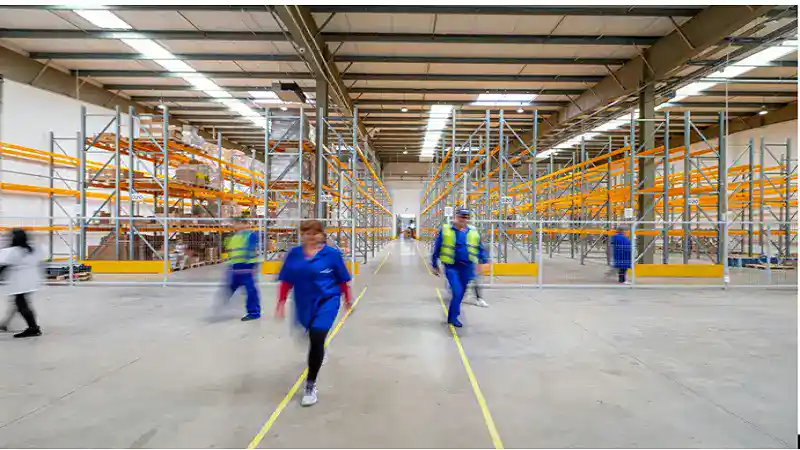
Running a busy warehouse or a bustling construction site is a bit like conducting an orchestra. Everything needs to move in harmony to get the job done. But when you introduce heavy machinery like forklifts into the mix, the stakes get a whole lot higher. We all know that a forklift is the backbone of the Aussie supply chain, but on a site where things are moving a mile a minute, safety isn’t just a box to tick. Rather, it’s the most important part of the shift.
Keeping your team safe while maintaining a high work rate is a fine balancing act. One of the best ways to stay ahead of the game is through a reliable forklift service routine. When your gear is well-maintained and your operators are sharp, you significantly reduce the risk of those “close calls” that no one wants to deal with.
To help keep your site running like a well-oiled machine, we’ve put together a comprehensive safety checklist that focuses on the realities of a busy Australian workplace.
The Pre-Start Walkaround
Before you even think about turning the key or hopping into the cab, you need to give the machine a proper look-over. Think of this as your “morning coffee” for the forklift; it sets the tone for the rest of the day.
- Tyres and Wheels: Check for any chunks missing or signs of excessive wear. In a busy yard, a blown tyre can cause a real headache and a safety hazard in seconds.
- The Business End: Take a squiz at the tines and the mast. You’re looking for cracks, bends, or any signs that the metal is under stress.
- Fluid Levels: Check your oil, hydraulics, and coolant. A quick look under the machine for any fresh puddles can save you a world of trouble later on.
- The Safety Essentials: Ensure the lights are working, the horn has a good “honk” to it, and the reversing beeper is loud enough to be heard over the site noise.
Setting Up for Success in the Cab
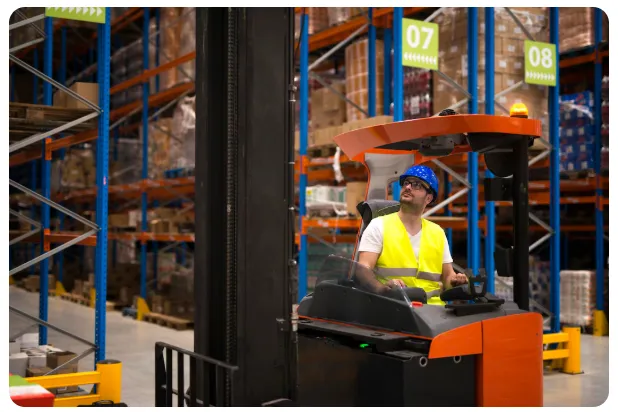
Once you’re in the seat, it’s all about the operator’s environment. Since you’ll be spending a fair bit of time here, everything needs to be just right.
- Seat and Belts: Adjust your seat so you can reach all the controls comfortably. More importantly, click that seatbelt in. It might seem like a small thing, but it’s your best friend if things ever go sideways.
- Clear the Clutter: See to it that there are no loose water bottles or tools rolling around on the floor. The last thing you want is something getting wedged under a pedal when you need to stop in a hurry.
- Gauges and Controls: Start the engine and check that the dashboard isn’t lighting up like a Christmas tree. Test the lift and tilt functions to make sure they’re moving smoothly.
Navigating the “Traffic Jam”
On a busy site, you’ve got delivery drivers, other forklifts, and workers on foot all sharing the same space. Staying safe here is all about communication and being predictable.
- The Three-Meter Rule: Always try to keep a good distance from pedestrians. If someone gets too close, stop the machine until they’ve cleared the area. It’s better to lose ten seconds than to have a preventable accident.
- Eyes on the Road: Just like driving down the Monash, you need to keep your eyes moving. Use your mirrors, but don’t rely on them exclusively. Always look in the direction of travel, especially when you’re reversing.
- Load Stability: Make sure your load is centred and tilted back slightly against the backrest. If a load is blocking your view, don’t try to “peek” around it; just drive in reverse. It might feel a bit slower, but it’s the professional way to handle a big pallet.
Finishing the Shift Right
Safety doesn’t end when the last pallet is moved. How you park the machine is just as important for the person coming on next.
- Park it Properly: Find a level spot away from traffic lanes. Lower the forks until they’re flat on the ground, pop the brake on, and turn it off.
- Report the Niggles: If the machine felt a bit “off” or you noticed a small leak during the day, tell your supervisor. Keeping on top of these small bits and pieces is what makes a great safety culture.
At the end of the day, we all want to get the work done and get home to our families in one piece. By sticking to a solid checklist and keeping your equipment in top shape, you’re following the rules while looking out for your mates.