Custom Pool Design Ideas That Balance Open Space and Structure
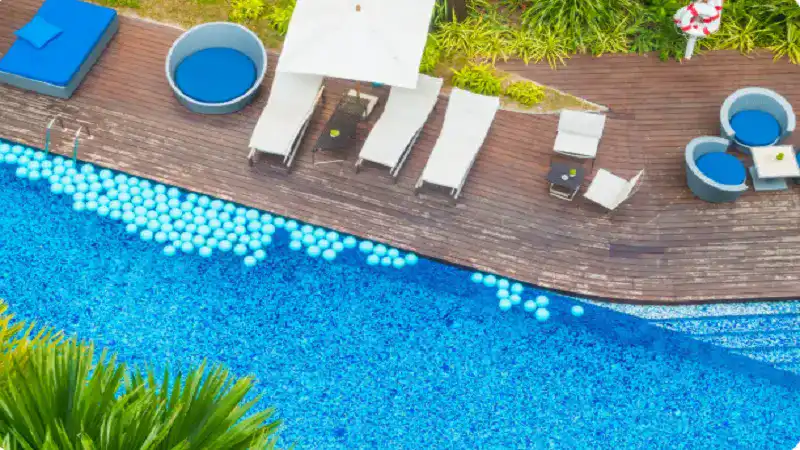
Designing a custom pool often starts with a simple question that turns out to be anything but simple. Should the space feel open and free, or defined and architectural? The truth is that the most comfortable, lasting pool designs rarely choose one side. They live somewhere in between. A well-balanced pool blends openness with just enough structure to guide movement, support daily use, and keep the space feeling intentional rather than unfinished. When those two ideas work together, the result feels calm, usable, and surprisingly natural.
Why Balance Matters More Than Size
It is easy to assume that large pools automatically feel open, while smaller ones need rigid structure to function. In practice, scale matters far less than proportion. An oversized pool with no visual breaks can feel overwhelming, while a modest pool with thoughtful spacing can feel expansive. Balance comes from how water, hardscape, and surrounding elements relate to one another. Open areas give the eye room to rest. Structured elements give the space purpose and direction.
When neither side dominates, the pool becomes easier to live with. There is space to float or swim without obstruction, but also clear places to sit, enter, and gather. That sense of order quietly improves how people use the pool over time.
Using Clean Geometry to Define Without Confining
One of the simplest ways to introduce structure without closing in the space is through geometry. Straight lines, gentle curves, or repeated angles can outline zones without building physical barriers. A long bench running along one edge defines a lounging area while leaving the center completely open. A wide step that spans the pool’s width adds rhythm and function without breaking visual flow.
These elements work best when they feel integrated rather than added on. The goal is not to carve the pool into pieces, but to suggest how the space can be used. When geometry is clean and consistent, it creates order while still allowing water to feel uninterrupted.
Let Water Be the Quiet Connector
Open water is often the most powerful design tool available. Large, uninterrupted stretches of water create calm and make even compact backyards feel larger. To preserve that openness, structured features should sit at the perimeter whenever possible. Steps, shelves, and benches that hug the edges leave the center free for movement and reflection.
Water also connects different zones visually. Even when areas serve different purposes, the continuous surface keeps them unified. This is especially important in pools that include both active and relaxed uses. A swimmer moving through the space does not feel boxed in, and someone lounging nearby still feels connected to the whole pool.
Framing the Pool Without Closing It Off
Structure does not have to live inside the pool itself. Often, the surrounding environment does the work more effectively. Low walls, raised planters, or changes in paving texture can define the pool area while preserving open sightlines. These features act like a frame rather than a fence.
Landscaping plays a major role here. Vertical plants or slim trees placed strategically can give a sense of enclosure without blocking light or views. The pool remains visually open, but the space feels grounded and intentional. This approach also allows the design to soften over time as plants mature, adding warmth without sacrificing structure.
Creating Zones That Flow Naturally
Balanced pool design often relies on subtle zoning. A shallow ledge near one corner invites quiet use, while deeper water beyond supports swimming. The key is transition. Sudden changes feel rigid and disruptive. Gradual depth shifts, wide steps, or gentle curves help the pool read as one cohesive space.
Circulation paths matter too. People should be able to move from entry to seating to open water without crossing awkwardly through other zones. When structure supports natural movement, the pool feels intuitive. Guests do not need instructions. They simply understand where to go.
Materials That Reinforce Both Openness and Order
Material choice quietly influences how open or structured a pool feels. Light, continuous finishes tend to expand visual space, especially when used consistently across large surfaces. Dark or highly textured materials can add definition when used selectively, such as on steps or waterline details.
Repetition is useful here. Using the same material for the pool interior and nearby hardscape creates continuity. Introducing a contrasting texture or color at specific points adds structure without overwhelming the design. The balance comes from restraint, choosing where contrast helps and where simplicity serves better.
Designing for Long-Term Comfort, Not Just First Impressions
Pools that lean too heavily toward open space can feel empty or impractical over time. Those that rely too much on structure can feel busy or restrictive. Balance supports longevity. As needs change, an open yet organized pool adapts more easily. A bench becomes a gathering spot one day and a quiet perch the next. Open water supports play, exercise, or stillness depending on the moment.
This flexibility is often what homeowners appreciate most after the novelty wears off. The pool continues to feel relevant, comfortable, and easy to enjoy without constant adjustment.
A Thoughtful Balance Creates a Better Experience
Balancing open space and structure is less about following trends and more about understanding how people interact with water. The best custom pool designs do not announce themselves loudly. They feel right. Open where they should be, defined where they need to be, and calm throughout.
When structure quietly supports openness, the pool becomes more than a visual feature. It becomes a place that invites use, encourages relaxation, and fits naturally into daily life. That balance, once achieved, is hard to replace. If you are looking for pool designs in Houston, there are contractors who can help.
See More: https://undergrowthgameline.net/