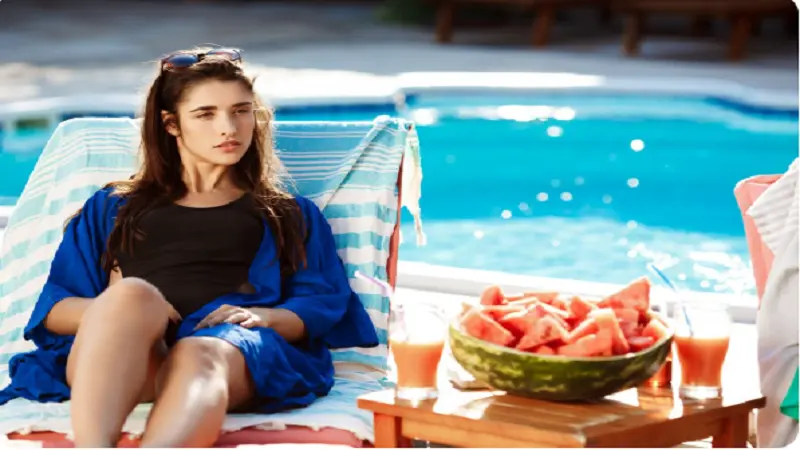
A great pool does more than give you a place to swim. It invites you to slow down, stretch out, and stay awhile. Lounging-focused pool design is about comfort, ease, and that subtle feeling that you do not need to be anywhere else. Whether the goal is quiet afternoons with a book or long conversations that drift into evening, the right design choices can make a pool feel less like a feature and more like a retreat.
Lounging pools are not defined by size or budget. They are shaped by how people naturally want to use the space. Where do you pause when you enter the water? Where do you sit when the sun starts to drop? How easy is it to relax without constantly adjusting, climbing, or shifting around? When these questions guide the design, the pool becomes a place people linger in without thinking about it.
Sun Shelves That Invite You In
One of the most popular lounging features is the sun shelf, sometimes called a tanning ledge. These shallow platforms sit just below the water’s surface and create an ideal space for reclining without fully swimming. The best sun shelves are sized generously, not treated as an afterthought tucked into a corner.
Designers often integrate wide steps that flow into the shelf so entry feels gradual and unhurried. Add built-in umbrella sleeves or subtle bubblers, and the space becomes a natural hangout for hours at a time. It is also one of the few pool areas that works equally well for adults, kids, and anyone who wants to cool off without committing to deeper water.
Built-In Seating That Feels Natural
Loose chairs and poolside furniture have their place, but built-in seating changes how people actually use the pool. Benches along the waterline, wraparound seats in corners, or curved conversation areas allow people to sit comfortably while staying immersed.
These features work best when they follow the pool’s shape rather than fighting it. Soft curves encourage people to spread out and relax, while straight benches feel more formal and structured. Adding a slight recline to backrests or varying seat depth makes a noticeable difference over long stretches of time. When seating feels intuitive, people stop shifting around and start settling in.
Wide Steps That Double as Lounging Zones
Steps are often treated as purely functional, but wider steps can become some of the most-used lounging areas in the pool. Extra-deep treads allow people to sit sideways, lean back, or stretch out partially submerged.
Designing steps with consistent depth and generous width turns them into informal seating tiers. They work especially well in social settings, where guests naturally gather near entry points. With the right proportions, steps stop feeling transitional and start feeling intentional, almost like built-in poolside bleachers made for relaxation.
Shallow-to-Deep Transitions That Slow the Pace
Pools designed entirely around deep water tend to encourage movement. Lounging pools do the opposite. Gradual depth transitions create zones where people can pause, stand comfortably, or lean without effort.
A long slope from shallow to mid-depth allows users to find their own comfort level rather than being forced into set areas. This approach also makes the pool feel more accessible and less rigid. When the water invites you to stop and rest instead of swim laps, the entire mood of the space changes.
Integrated Daybeds and In-Water Loungers
For homeowners who want a resort-like experience, integrated daybeds or molded in-water loungers can be a standout feature. These designs blur the line between furniture and structure, creating spaces that feel permanent and purposeful.
The key is restraint. One or two well-placed loungers often work better than a crowded layout. Position them where sunlight lasts longest or where views are most calming. When done thoughtfully, these features become the most photographed and most used parts of the pool, not just visual extras.
Surrounding Design That Supports Staying Put
Lounging does not stop at the water’s edge. The surrounding environment plays a major role in how long people stay. Shade structures, wind protection, and nearby surfaces for drinks or towels all support a relaxed experience.
Pools designed with lounging in mind often include low walls that double as seating, planters that provide privacy, or subtle elevation changes that create a sense of enclosure. When people feel protected from glare, wind, or foot traffic, they naturally linger longer without realizing why.
Lighting That Extends the Experience
Soft, well-placed lighting makes lounging feel inviting even after the sun goes down. Underwater lights with warm tones, gentle step lighting, and indirect illumination around seating areas keep the space usable without feeling harsh.
Avoid overly bright fixtures that make the pool feel like a stage. Lounging thrives in a calmer light. The goal is to maintain visibility while preserving atmosphere, so conversations and quiet moments can continue well into the evening.
Designing a Pool You Do Not Rush Through
At its core, a lounging-focused pool is about removing friction. It is about making it easy to pause, sit, recline, and stay comfortable without constant adjustment. These designs encourage slower movement, longer stays, and more meaningful use of the space. If you are looking for pool construction in Montgomery, there are contractors who can help.
When custom pool design prioritizes lounging, the result feels less like an amenity and more like a destination. It becomes the place where afternoons disappear and evenings begin. With thoughtful features, gentle transitions, and a focus on comfort, the pool stops being something you visit and starts being somewhere you belong.
See More: https://undergrowthgameline.net/